
As we enter the month of May, The English Apple Man reflects on events
The weather has been dry for sometime now and while the land was so wet just a few weeks ago making tractor movement in the orchards difficult/impossible for early crop protection sprays to be applied, risking the early infection of apple scab. Now my grower friends are praying for some rain; 'not a deluge, just a nice steady rain'
Setting a crop?
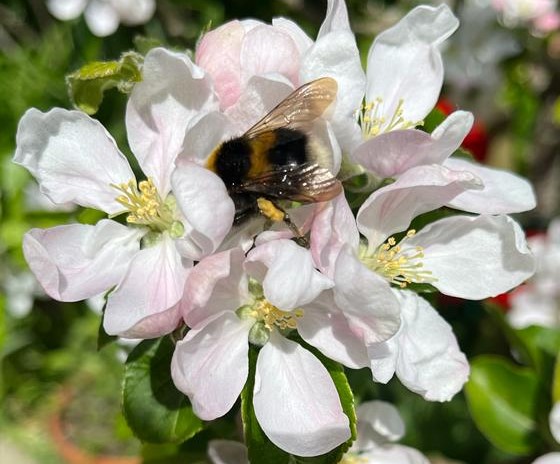 Achieving a crop, e.g. setting flowers into fruitlets is dependent on pollination AND fertilization
Apple blossoms have five petals and numerous stamens, but the ovary consists of five carpels, each of which contain two ovules.
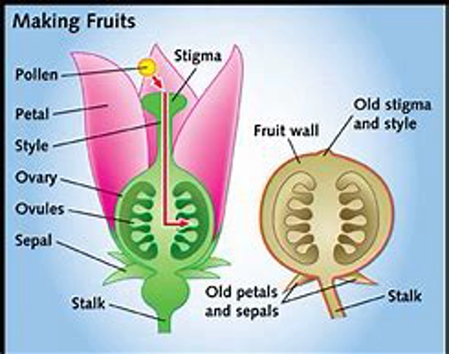
Next comes fertilisation, which can happen very quickly (hours) when temperatures are high, but days when the temperature is cold.
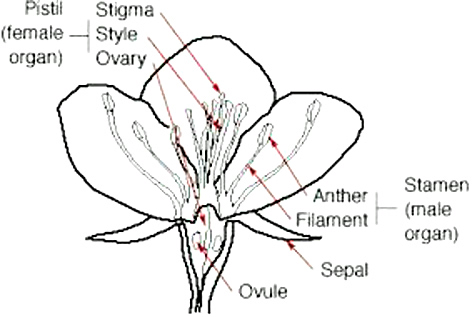
To achieve pollination and fertilization pollen must be passed from the pollen sacks to the style and grow down the pollen tube as quickly as possible. In warm weather this can happen in a matter of hours; in cold conditions it can take days. If the pollen does not reach the ovary in time (approx 4 days) it is too late!
The process is known as the Effective Pollination Period (EPP). The EPP varies by variety and Cox our national apple has a shorter EPP; no wonder it is difficult to achieve consistent heavy crops.
 Over the last week the temperature has been favourable for EPP (although one or two reports of temperatures below freezing have been recorded.
It's a 'funny old game' tis fruit growing, we pray for favourable weather conditions during winter months; e.g. chilling. units, then worry about an overset, and start estimating the need for thinning!
In a week or two we will know, and thinning requirements will be decided.
The government has missed a huge opportunity to ease the financial pressures on food-producing businesses following its announcement that the British Industrial Competitiveness Scheme (BICS) will be expanded to include 10,000 manufacturers while excluding the agricultural sector.
Despite new measures that will cut electricity bills by up to 25% for a wide range of businesses, British farming-the backbone of the UK's largest manufacturing sector, food and drink-remains ineligible for this vital support.
NFU President Tom Bradshaw said: "It is deeply frustrating that food has been forgotten again by the government despite acknowledging the crippling impact of high energy costs on other industries.
"Parts of the horticulture sector, for example, are incredibly energy-intensive growing tomatoes, cucumbers and peppers in heated glasshouses, and are grappling with the same global price volatility as any factory - yet are being left to face these surging costs alone.
"By excluding farming, the government is effectively putting a handbrake on investment and our ability to produce a supply of sustainable, high-quality food ministers claim to support. This is a major missed opportunity to bolster national food security at a time of significant geopolitical uncertainty.
"Government must review the eligibility criteria for the BICS as a matter of urgency and look again at increases to electricity standing charges which have also come into force and are hitting horticulture businesses hard, or risk growers saying this fruit and veg is too expensive to grow.
"If we want a resilient domestic food system, we cannot continue to treat farming as an optional extra in industrial policy. Our members need the same relief on electricity policy costs as other heavy users if they are to remain competitive and continue feeding the nation."
 That is all for this week
Next week The English Apple Man will be remembering a dear friend, a fruit farmer who became a 'Farm Shop' entrepreneur.
Take care
The English Apple Man